Do Medical Alert Systems Work in Rural Canada? What You Need to Know
Living in small towns, farming communities, or remote parts of the country, one question comes up for seniors more than almost any other: will a medical alert system actually work where I live?
Rural Canada looks very different from downtown Calgary or Toronto. Cell towers are farther apart. Ambulance response times are longer. And many homes no longer have a traditional landline. So when a family is looking at medical alert options for a parent or grandparent in a rural area, reliability is the first thing on their mind.
Why Rural Seniors Face Unique Safety Challenges
Canada’s senior population is growing faster in rural areas than in cities. Between 2016 and 2021, the share of residents aged 65 and older rose by 3.1 percentage points in rural communities, compared to just 1.9 in urban centres.
But rural seniors face real challenges. Hospitals are farther away. Neighbours may live kilometres apart. And for someone living alone on an acreage outside Red Deer, a fall with no way to call for help can turn dangerous fast.
How Medical Alert Systems Connect: Cellular vs. Landline
Medical alert systems reach a monitoring centre one of two ways: through a landline phone connection or a cellular network. For rural families, understanding the difference matters.
Landline systems plug into an existing home phone line. When the button is pressed, the base station dials the monitoring centre directly. No cell towers, no internet required. If your loved one still has a working landline, this is one of the most reliable options for in-home protection.
Cellular (LTE) systems use 4G networks, the same ones that power smartphones. The device has a built-in SIM card and connects to the monitoring centre over the cellular network. No landline or internet needed. Mobile devices like pendants and smartwatches also run on cellular, meaning they work both inside and outside the home.
The key question for rural families is simple: Does 4G LTE reach my area? Canada’s major carriers have expanded LTE coverage significantly, and the network now covers the vast majority of populated communities, including many small towns. Very remote or isolated areas may still have gaps, so it is worth checking coverage maps or asking your provider before choosing a cellular system.
What About GPS Connectivity in Rural Areas?
GPS works through satellites, not cell towers, so a device can determine a person’s location even in areas with limited cellular service. However, it still needs a cellular connection to send that location to a monitoring centre.
In most rural communities with 4G LTE, GPS-equipped medical alerts work well. They let operators pinpoint a senior’s location during an emergency, which is critical when the person cannot describe where they are or has wandered from home.
For families concerned about a loved one with early-stage dementia, this feature alone can provide real peace of mind.
Tips for Choosing the Right System in a Rural Area
1. Check 4G LTE coverage in your area first. Strong coverage means a cellular system will work. Weak or spotty coverage means a landline system is the safer choice.
2. Look for long battery life. Power outages are more common in rural settings. A device that holds a charge for several days gives you a cushion during storms.
3. Choose automatic fall detection. If your loved one lives alone and far from neighbours, an alert that sends itself without pressing a button could save critical time.
4. Ask where the monitoring centre is located. Canadian-based centres understand rural geography and local emergency services. That knowledge matters when dispatching help.
5. Pick a provider that offers setup support. A box in the mail with no guidance is not ideal for a senior living alone in a rural community.
How Priority Care Call Keeps Rural Seniors Connected
Priority Care Call was founded in Alberta and has been protecting seniors across the province since 2002. We understand rural living because many of our clients live outside major cities.
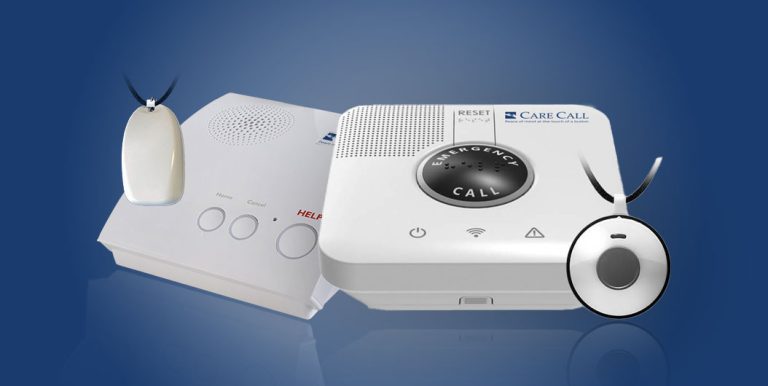
Our At-Home Landline system connects through an existing phone line with no dependence on cellular coverage. For homes without a landline, our At-Home LTE system uses 4G cellular technology to provide the same protection.
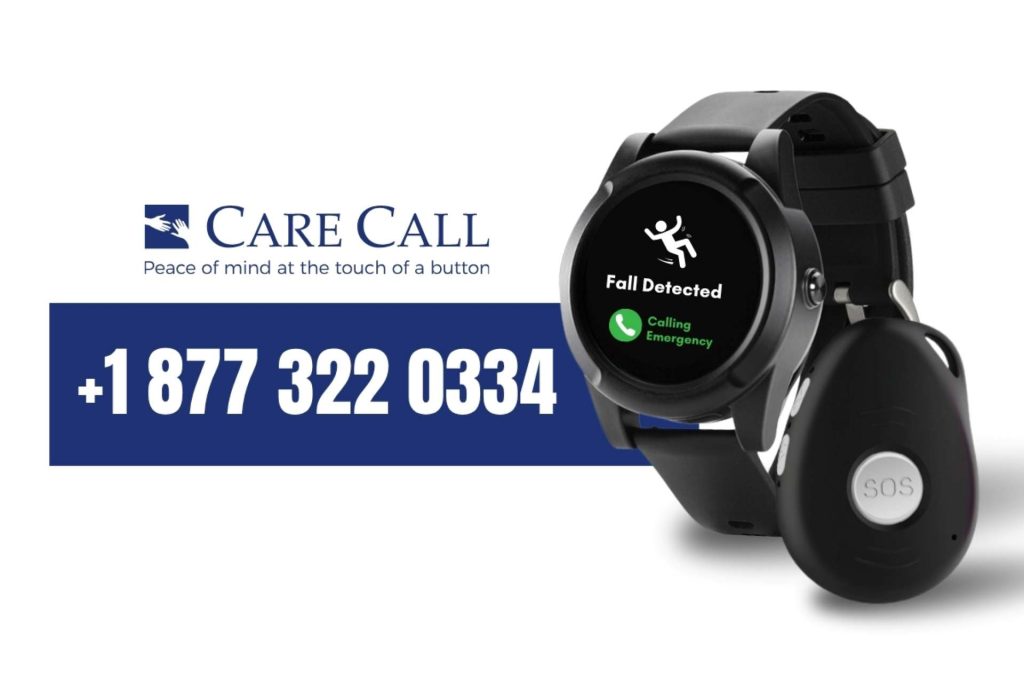
For active seniors, our On-The-Go Ultra, On-The-Go Max, and Safety Smartwatch offer GPS signal connectivity, fall detection, and two-way voice communication anywhere in Canada with cellular coverage.
Every device connects to our Canadian-based monitoring centre, staffed 24/7 by trained professionals. And unlike providers who ship a box and leave you on your own, we take the time to walk you through the technology and make sure everything works.
Rural Living Should Not Mean Living Without Protection
More than 90 percent of Canadian seniors want to age in their own home. For those in rural communities, a medical alert system built for the environment gives them the freedom to do exactly that, with the confidence that help is always within reach.
Stay protected. Stay independent. Choose Priority Care Call. Visit prioritycarecall.com or call +1 (403)-568-8844.