

Calgary is Showing Us What Dementia-Friendly Alberta Looks Like?
For someone living with dementia, something as ordinary as taking a walk can become unexpectedly difficult. A confusing path. Poor signage. Uneven ground. A place that looks unfamiliar. These small obstacles can make it harder to enjoy an activity that once felt effortless. Calgary is taking a different approach.
On September 21, 2026, World Alzheimer’s Day, the Martin Family Legacy Garden in Dover is scheduled to open asCanada’s first dementia-inclusive park. Designed with input from dementia researchers, people with lived experience and caregivers, the park aims to make outdoor spaces easier and more enjoyable for people living with dementia and the people who support them.
It raises a bigger question for Alberta:What would happen if more of our communities were designed with dementia in mind?
What Makes a Park Dementia-Inclusive?
The Martin Family Legacy Garden is not simply a park with extra benches. Its design considers some of the challenges dementia can create when people move through public spaces.
The more than three-acre park includes wide, colour-coded pathways, clear wayfinding signage, flat terrain, sensory gardens, shaded seating and accessible entrances. There are also natural features intended to help people remain visible and safely within the space.
Clear visual cues can help someone understand where they are. Familiar and distinct features can make an environment easier to recognize. Comfortable seating gives people places to rest without having to leave the area. The goal is to create a space that doesn’t feel clinical or restrictive but where someone living with dementia can participate more comfortably.
Dementia-Friendly Design Is About More Than Parks
The Calgary project matters because it demonstrates a broader principle:safety does not always have to come from restricting someone’s independence. Sometimes, it can come from changing the environment around them.
That idea can apply far beyond a park. A dementia-friendly community might mean clearer signs in public buildings, easier-to-understand transportation systems, businesses where staff understand dementia, or neighbourhoods where people know how to respond when someone appears confused.
For families, it can also mean reconsidering what independence looks like. A dementia diagnosis does not automatically mean a person should stop going outside, visiting friends or participating in the activities they enjoy. But it may mean putting additional support in place.
The Challenge of Supporting Independence Safely
This is where families often find themselves in a difficult position. They want their loved one to remain active and independent. At the same time, they worry about what could happen if that person becomes confused, falls or cannot find their way home.
There is no single answer. Dementia affects people differently, and safety needs can change as the condition progresses. What families can do is create a practical safety plan.
That might include:
- Keeping familiar routines whenever possible
- Identifying safe places for walks and outings
- Making sure important medical information is accessible
- Establishing emergency contacts
- Discussing what to do if a loved one becomes lost or disoriented
- Considering technology that can connect them with help when needed
The aim is not to remove every risk. That would mean removing much of the independence, activity and connection that make everyday life meaningful. The aim is to manage risk without unnecessarily limiting life.
Where Medical Alert Technology Fits
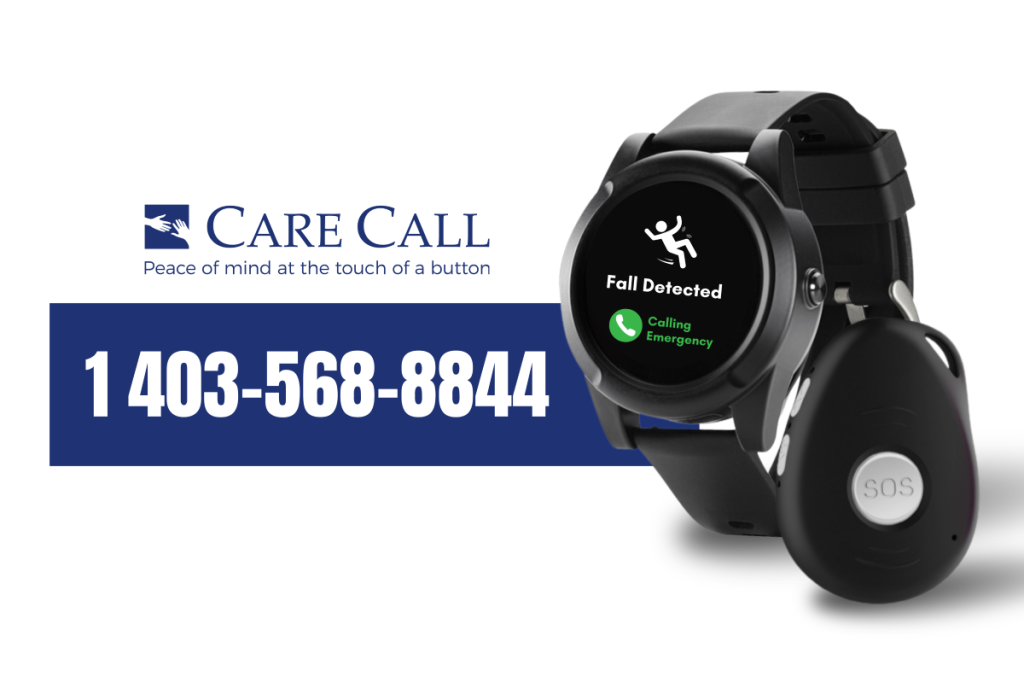
For some seniors living with dementia, a medical alert system can provide another layer of support. A wearable device can provide a way to call for assistance during an emergency, while GPS-enabled technology can help families know a loved one’s location when they are away from home, depending on the device and service.
Technology is not a replacement for caregivers, medical professionals or a good safety plan. But it can help bridge an important gap:the moments when a family member cannot be there.That can matter whether a senior is taking a walk around the neighbourhood, visiting a community space or simply spending time alone at home.
Calgary Is Starting a Bigger Conversation
The Martin Family Legacy Garden was designed to welcome people living with dementia, but it is not intended to exclude everyone else. Its intergenerational design includes a children’s playground, making it a place where families and different generations can spend time together.
With an estimated20,000 Calgarians currently living with dementia and that number expected to reach 34,000 by 2030, the need for thoughtful community design is only becoming more pressing.
Calgary’s new park won’t solve every challenge associated with dementia. But it demonstrates something important:independence and safety don’t have to be opposites.Sometimes, the best way to help someone remain independent is simply to make sure the right support is there when they need it.
Helping Alberta Seniors Stay Independent
At Priority Care Call, we believe seniors should be able to enjoy their daily lives with confidence while their families have greater peace of mind.
Our medical alert solutions provide access to help when it matters, whether a senior is at home or staying active in the community. For individuals who may be at greater risk of becoming disoriented or experiencing an emergency while alone, having the right support can make everyday independence feel more manageable.
Learn more about Priority Care Call’s medical alert solutions and find the right level of support for yourself or someone you love. Call us at +1 (403)-568-8844 today.