
Buying Your First Medical Alert: Contracts vs No-Contract Pricing Explained
If you are buying a medical alert system for the first time, pricing can feel confusing. Many providers advertise similar monthly rates, but the real difference is often hidden in the fine print. In most cases, that difference comes down to whether the plan requires a contract or offers no-contract pricing. Understanding this early can help you avoid unexpected costs later.
How Contract Medical Alert Pricing Works
Many medical alert companies require customers to sign a fixed-term contract, usually for 12 or 24 months. These plans often appear more affordable at first because the advertised monthly rate is slightly lower. What is not always obvious is that you are agreeing to stay in the service for the full term.
In most contract plans, the cost of the equipment is spread out over the length of the agreement. If the system is no longer needed before the contract ends, payments often continue. Some providers also charge cancellation fees, which can make ending the service early more expensive than expected.
This is where many first-time buyers run into trouble. Life does not stay the same. Health conditions change, living arrangements shift, and care needs evolve. A contract can leave families feeling locked into a service they no longer need.
How No-Contract Medical Alert Pricing Works
No-contract medical alert pricing is designed to be more flexible. Instead of committing for a year or more, service is billed month to month. There is no long-term obligation and no penalty for cancelling when circumstances change.
With this approach, you pay only for the months you use the service. For first-time buyers, this removes the pressure of trying to predict future needs before signing up. If the system is no longer required, the service can simply be stopped.
Looking at the Real Cost Over Time
Contract plans can look cheaper at first glance, but the real cost often becomes clear later. When you commit to a contract, you are agreeing to pay for the full term regardless of whether the system is still needed. Ending service early can result in remaining payments or cancellation fees.
With no-contract pricing, you keep control. Costs stop when the service stops, and there are no penalties if your situation changes. For many families, this flexibility ends up being more valuable than saving a small amount each month.
When a Contract Might Still Make Sense
Contracts are not always the wrong choice. They can work well if you are confident the system will be needed long term and you are comfortable committing for one or two years. The important part is understanding the cancellation terms clearly and choosing a contract intentionally, not by default.
Why Pricing Transparency Matters
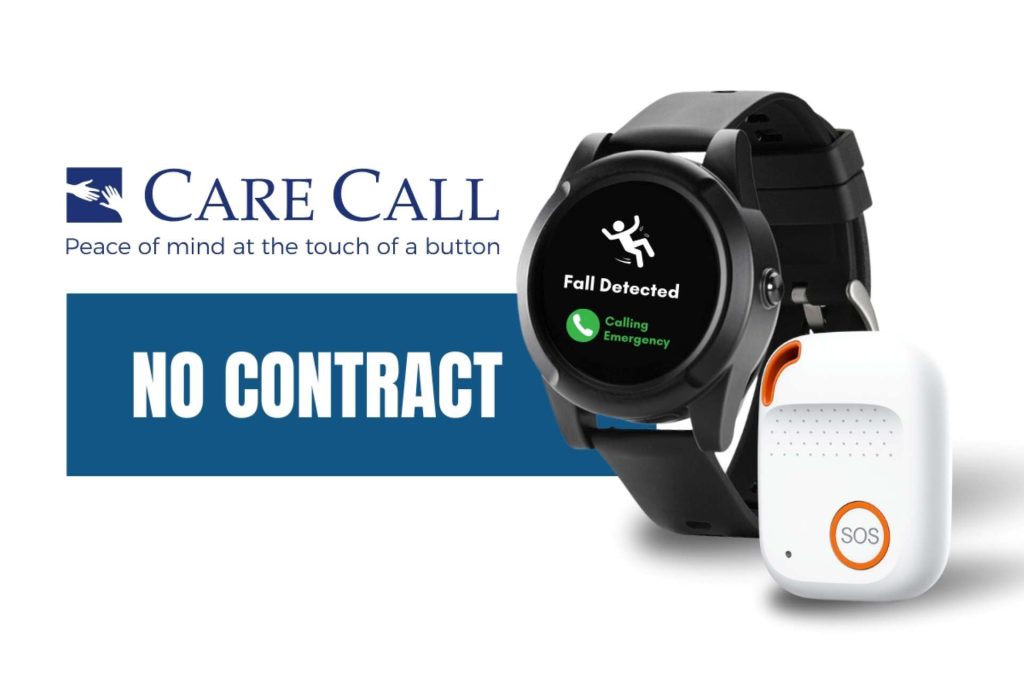
Priority Care Call offers no-contract medical alert systems with simple month-to-month pricing. There are no long-term agreements, no cancellation penalties, and no pressure to commit before you are ready. If your situation changes, your service can change with it.
When choosing your first medical alert system, the lowest monthly price is not the most important factor. The real decision is whether you want flexibility or a long-term commitment.
For many seniors and families, no-contract medical alert pricing offers clarity, control, and peace of mind during a time when flexibility matters most. Before choosing a provider, it is always worth asking whether there is a contract, what happens if you cancel early, and whether any additional fees apply. Clear answers usually lead to the right choice. Get in touch with Priority Care Call at +1 (403)-568-8844 (Alberta) or +1 (866)-344-6009 (Toll free) for more information.



3 Comments
Comments are closed.